I’ve been working the past few weekends and haven’t gotten to do much adventuring lately. It’s been slowly driving me crazy, so I elected to make up for it this weekend!
Some people may think hitting four cities in four days is overcompensating, but I think it’s juuuust right!
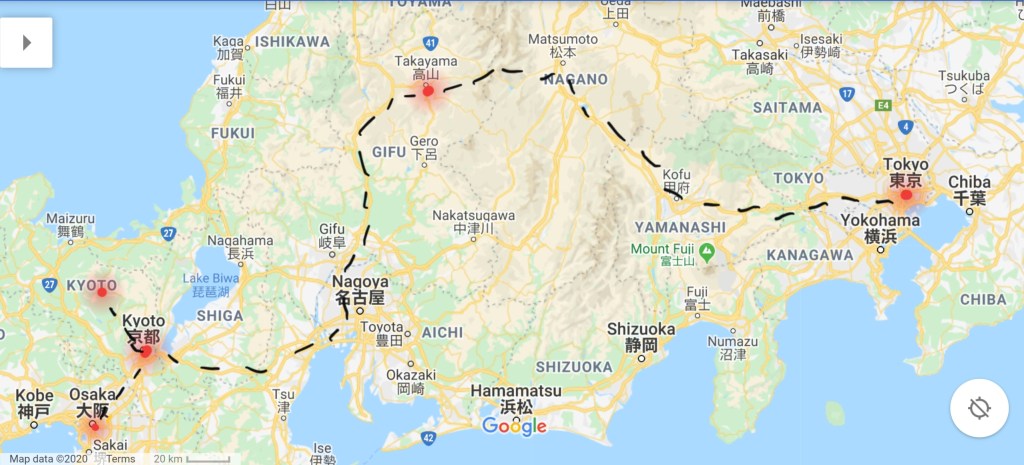
First stop: UNESCO World Heritage sites in the Japanese Alps, the folk villages of Shirakawago, Gokayama, and Ainokura.
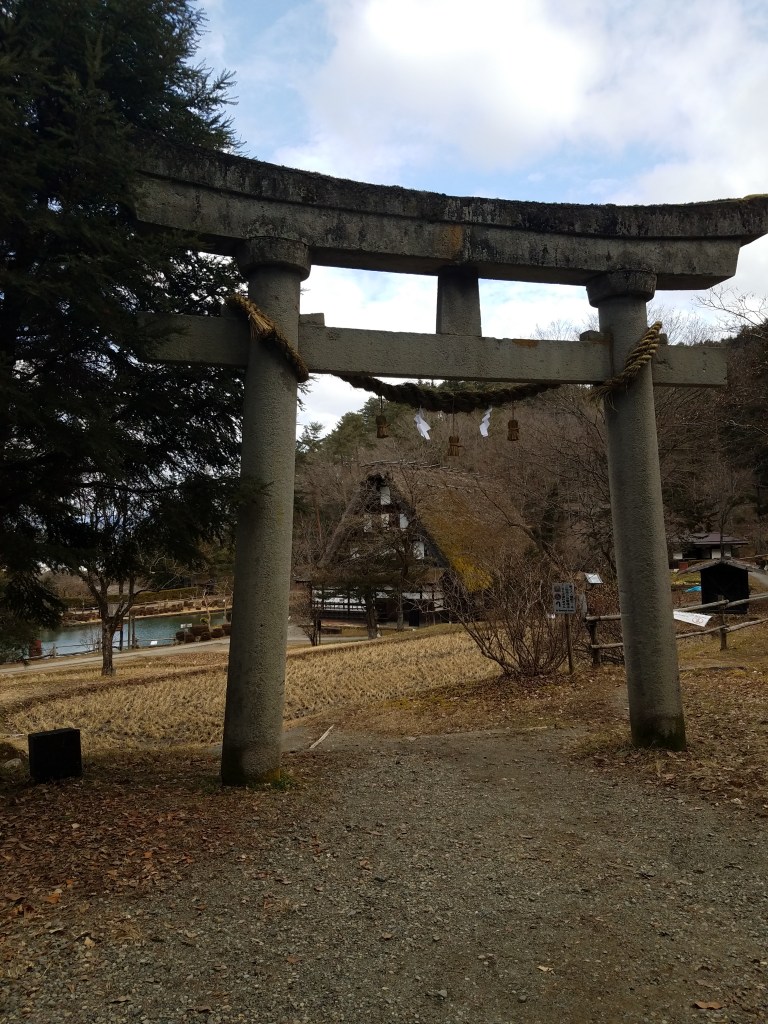
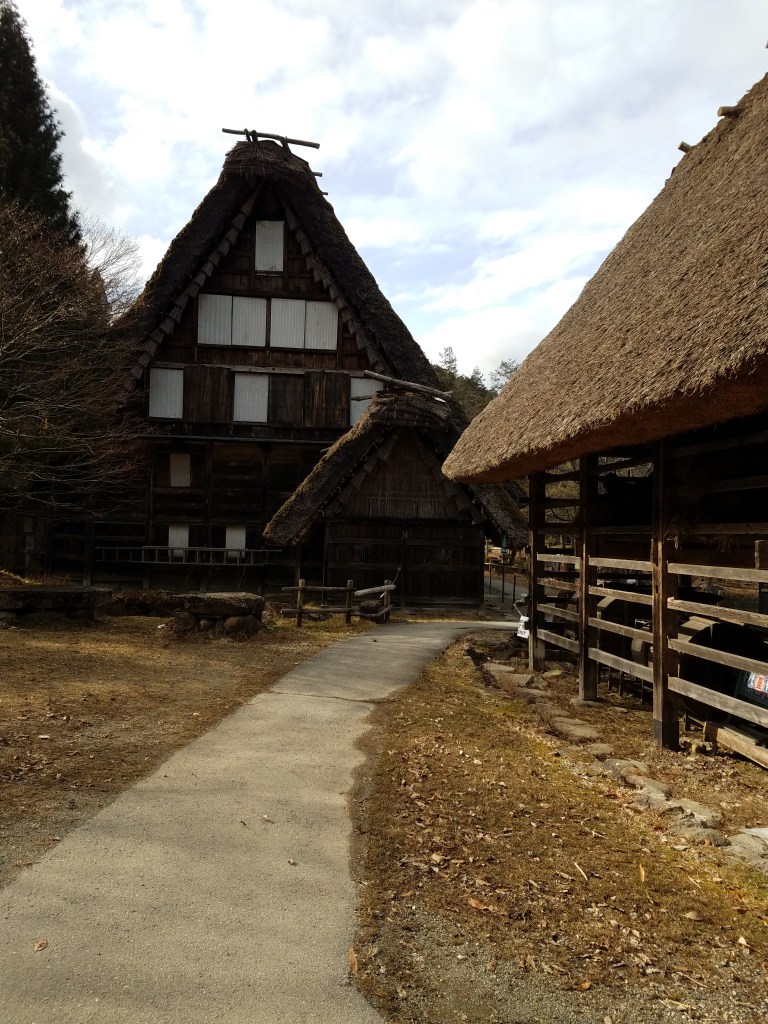
It’s also supposed to be an amazing winter scene (note: no snow, though.) Proof? The houses you can stay in were booked completely solid from December to March.
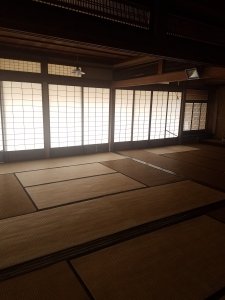
Luckily for me, they had a tourable section (with tea and rice cakes!), so I was still able to go for at least a partial experience.
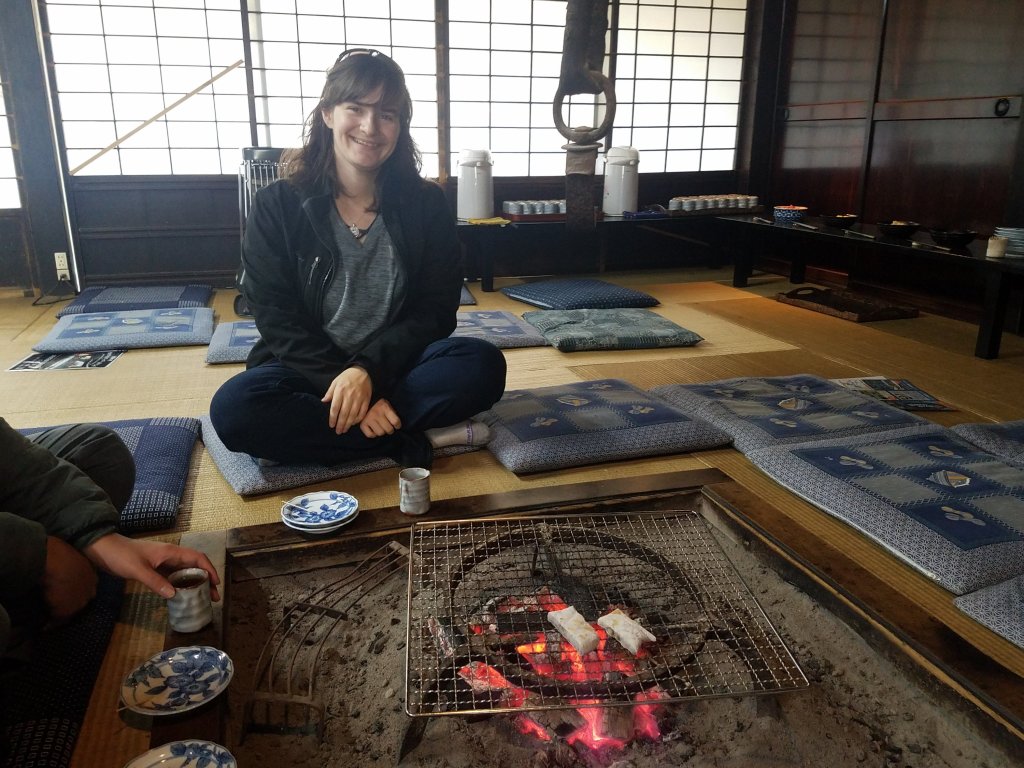
And the verdict is: nothing.
The wood and the doors in the main room are all black from exposure to years of smoke, compared to the relatively blonde wood of the adjacent rooms.
In the non-residential area, the buildings had signs to look out for snow falling from the roof. You can imagine why:
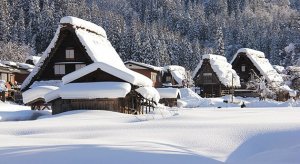
Even though I was a little disappointed to not get the full winter experience, I did the next best thing!
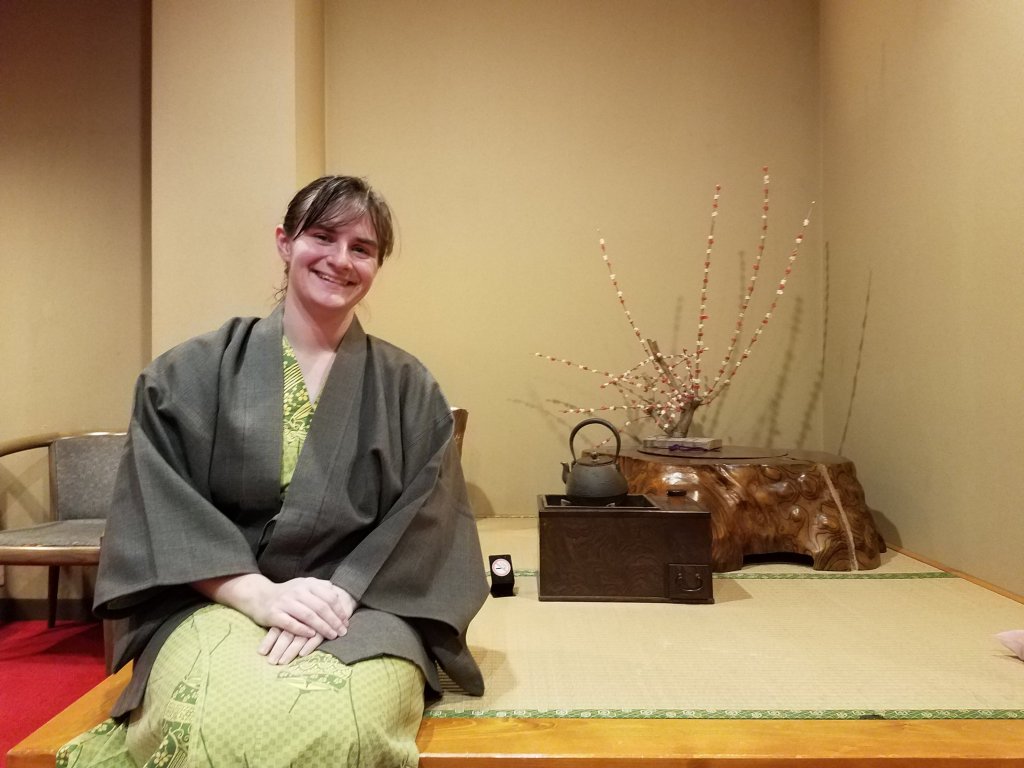
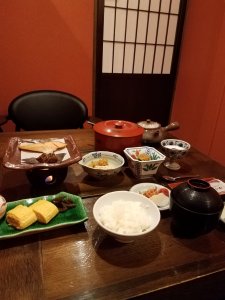
I relaxed and participated in some traditional arts and crafts. I didn’t cook any of the rice crackers, but these statues are on that very Japanese fence between ‘creepy’ and ‘oddly endearing’.
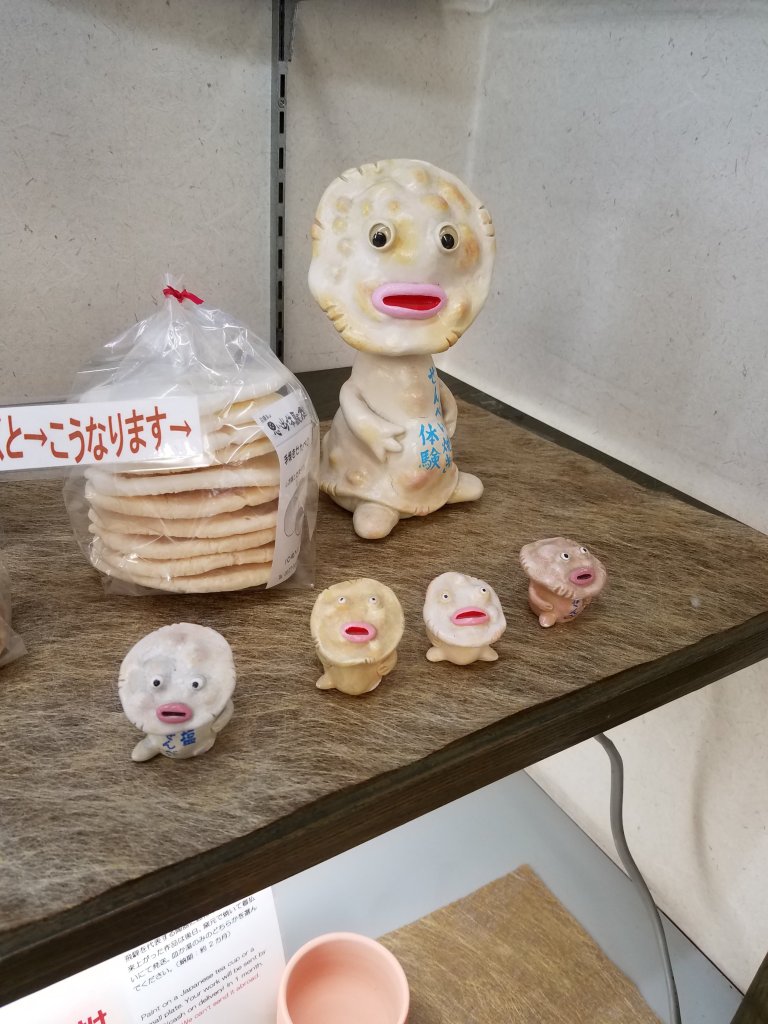
On a side note, per diem is code for ‘why not?’ (give or take an expletive based on context.) Before I left Takayama, I stopped for a cup of tea at the Teddy Bear cafe.
I walked out with a fruit bowl.
…per diem! (I thought it was neat.)
Kyoto was the capital of Japan for A Really Long Time (~800 – 1800), and retained more of its attractive character and style than Tokyo. So where Tokyo is skyscrapers and ‘cyberpunk’, Kyoto says ‘samurai’ (or ninja)!
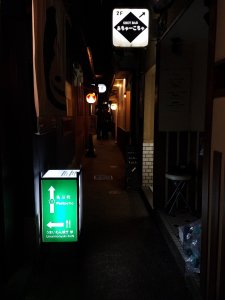
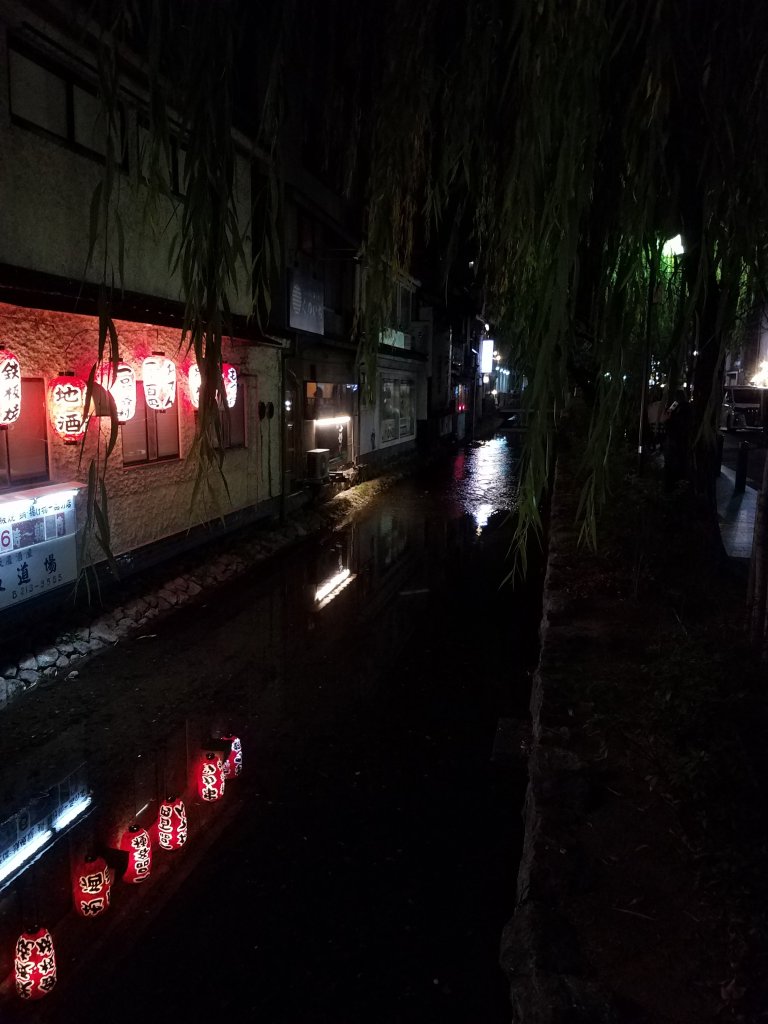
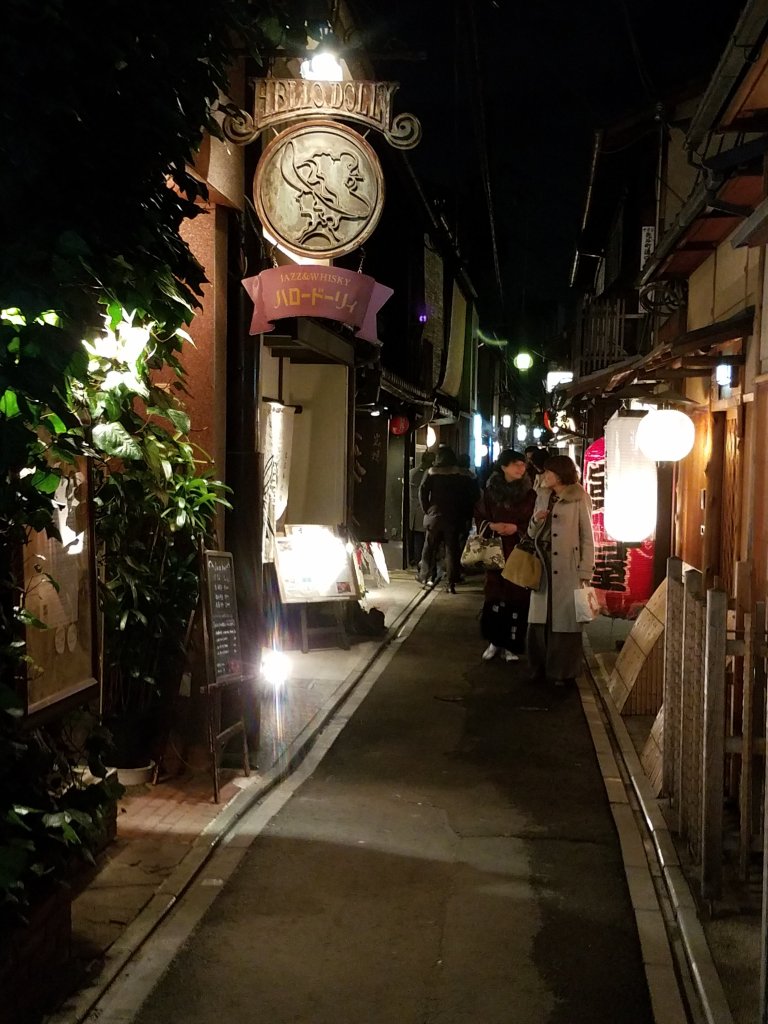
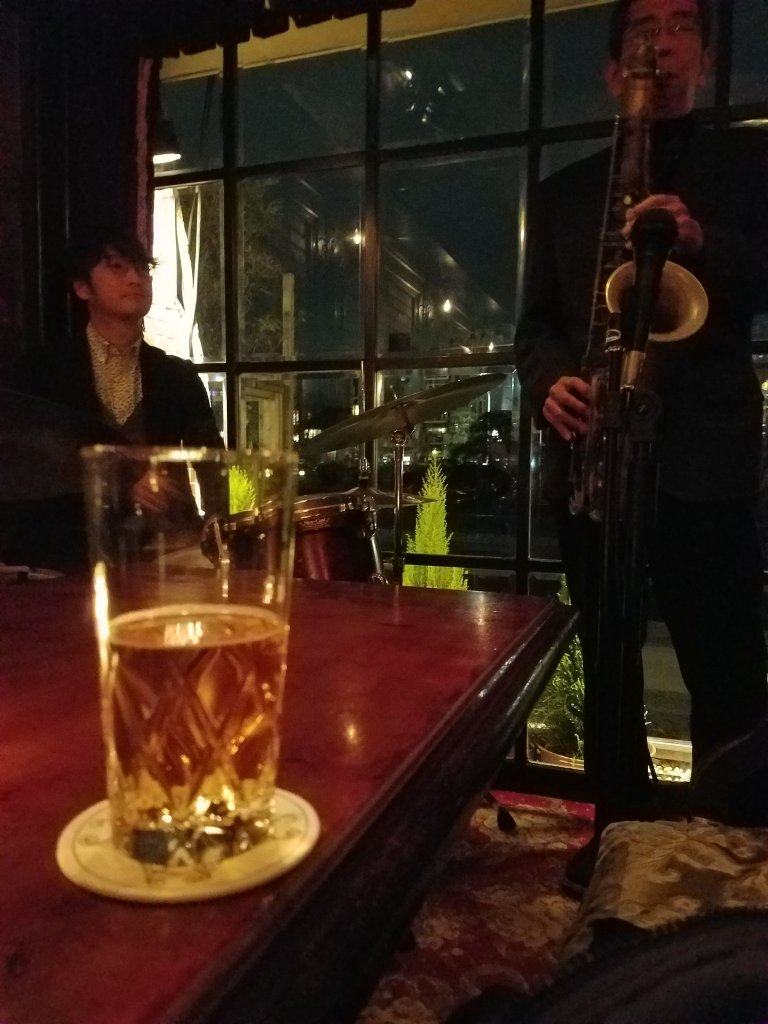
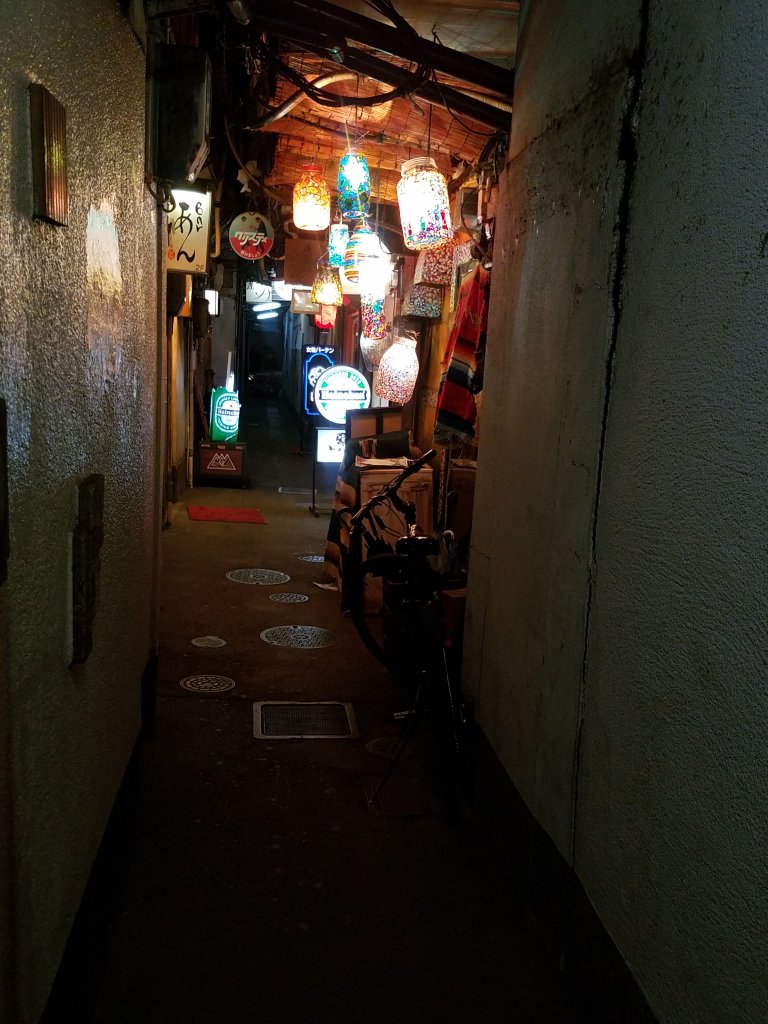
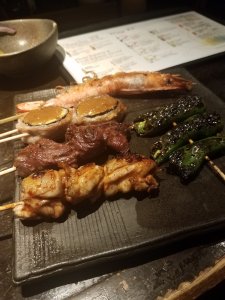
I popped out of one of the alleys and wanted a picture to try to capture how narrow they are. And then I realized I was standing in front of a jazz bar, so naturally I had to stop!
NINJA SCHOOL
Because did I really go to Kyoto for any other reason? It was all just build up to the main event.
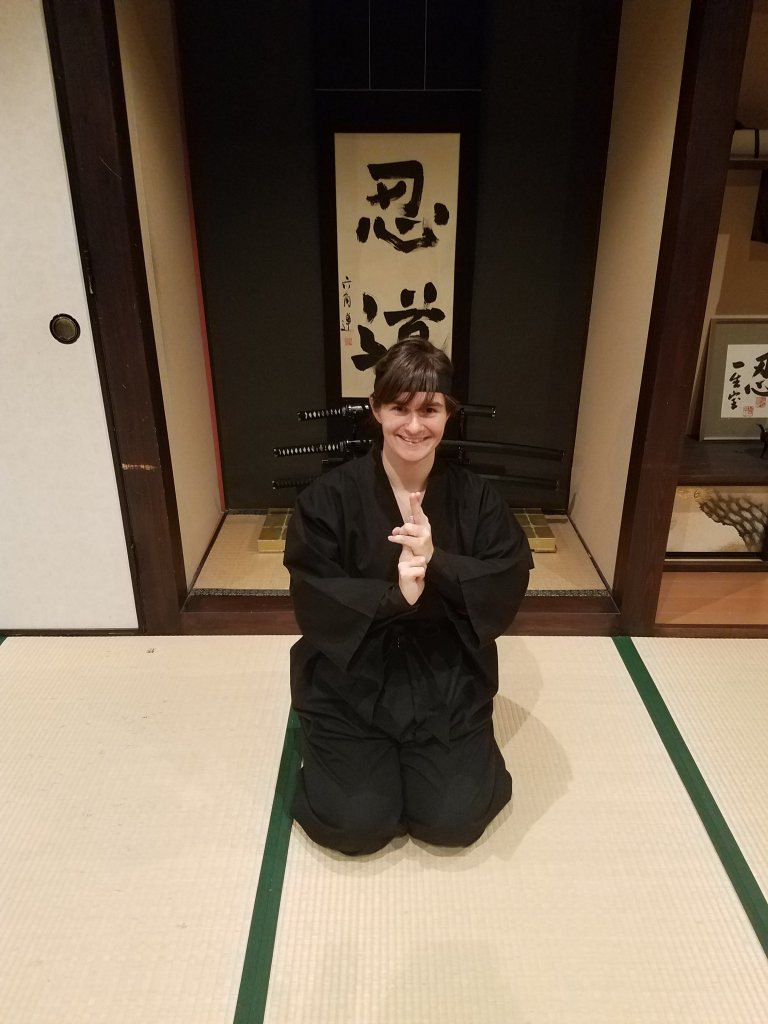
Allow me to regale you with some ninja fun facts!
First: hand signs. The different ninjutsu hand signs are more of a meditative practice. Each one means something different. The one here is zai which is for wisdom!
Many Buddhist/Shinto statues will use these hand signs, as well. It’s a good shortcut for figuring out who/what kind of deity is depicted!
Ninja skill: sneak walking.
Being silent and stealthy is the core of a good ninja! To test my skills, I had to evade a field of caltrops and make my way across the room in the dark. I made it through quickly, quietly, and stab-free! An A in stealth! I even learned about natural caltrops, which are edible if you happen to step on them just right…
Ninja skill: swordsmanship.
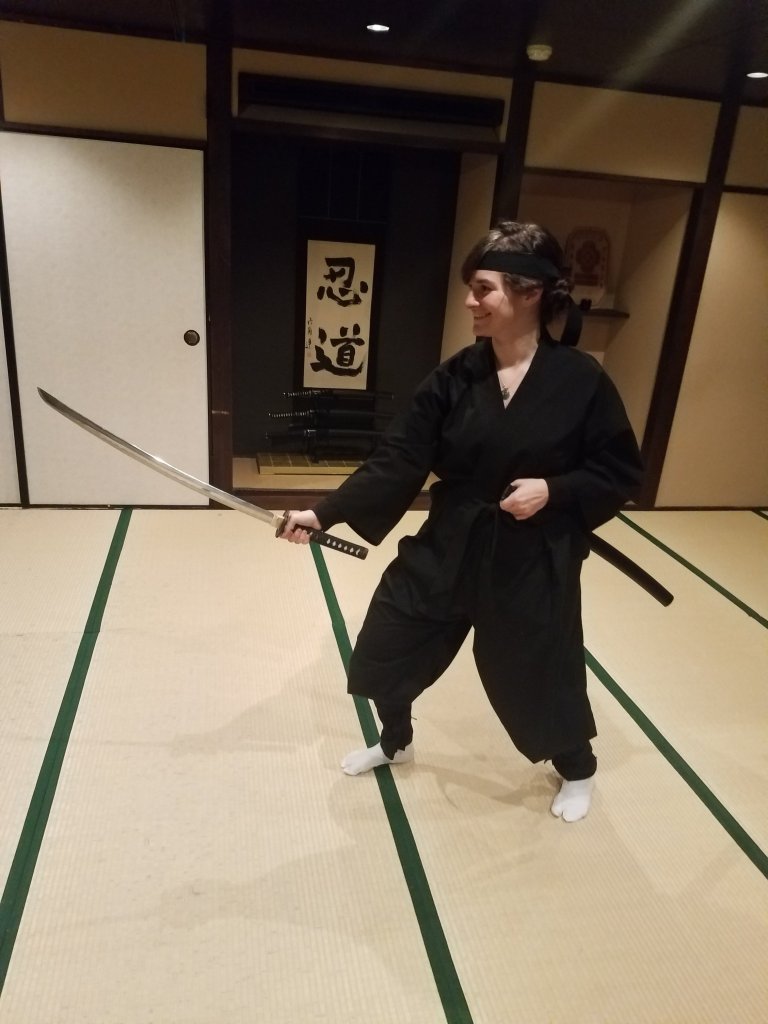
When dealing with the honorable samurai, it’s important to learn how to draw a sword. Turning the sheath before drawing allows you you to initiate in a variety of slices. If you stop an incoming strike on the draw, the fight ends without bloodshed and the samurai will walk away.
If the grip switches to a two-handed style, things are about to get ugly. So of course, we had to learn the proper technique for flicking blood off the blade (not very effective, but cool looking) and how to clean the sword as it is sheathed (very effective; still cool!)
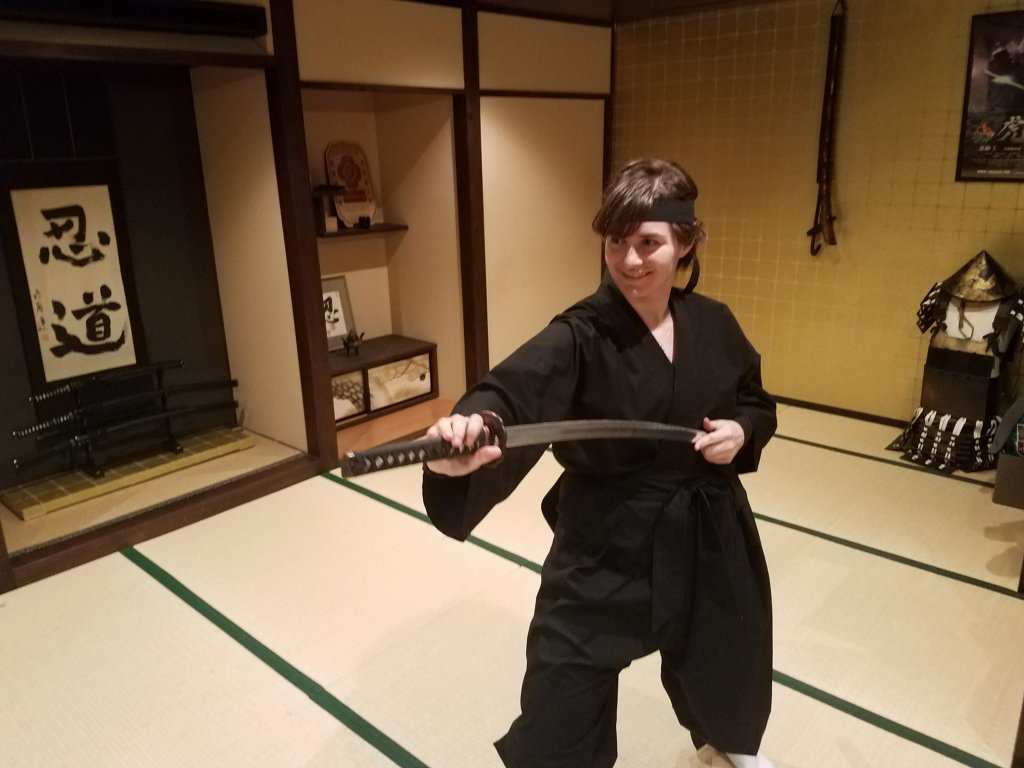
B+ in swordsmanship (I have short arms and I’m sticking to it.)
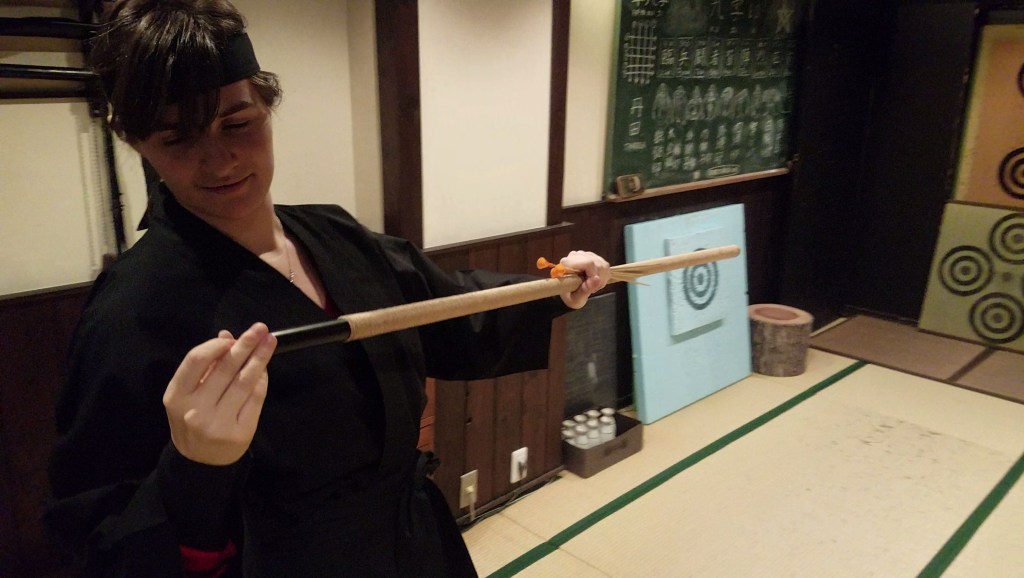
Ninja skill: blow darts.
After my warmup round, I had to shoot a dart from five progressively further distances. And I have to say, I’m a darn good blow dart sniper! I marched all of my darts into a 3″ x 3″ square. The instructor was quire impressed!
Ninja skill: throwing stars (and needles).
You know what…we’re just going to skip this one. What I lack in aim, I make up for in enthusiasm. My enemies better watch their feet, because boy, can I ever throw those knives into the ground! Naturally, I had to buy some so that I could practice my skills…for homework…
I did some other stuff after ninja training. Call it an exercise in disguise…
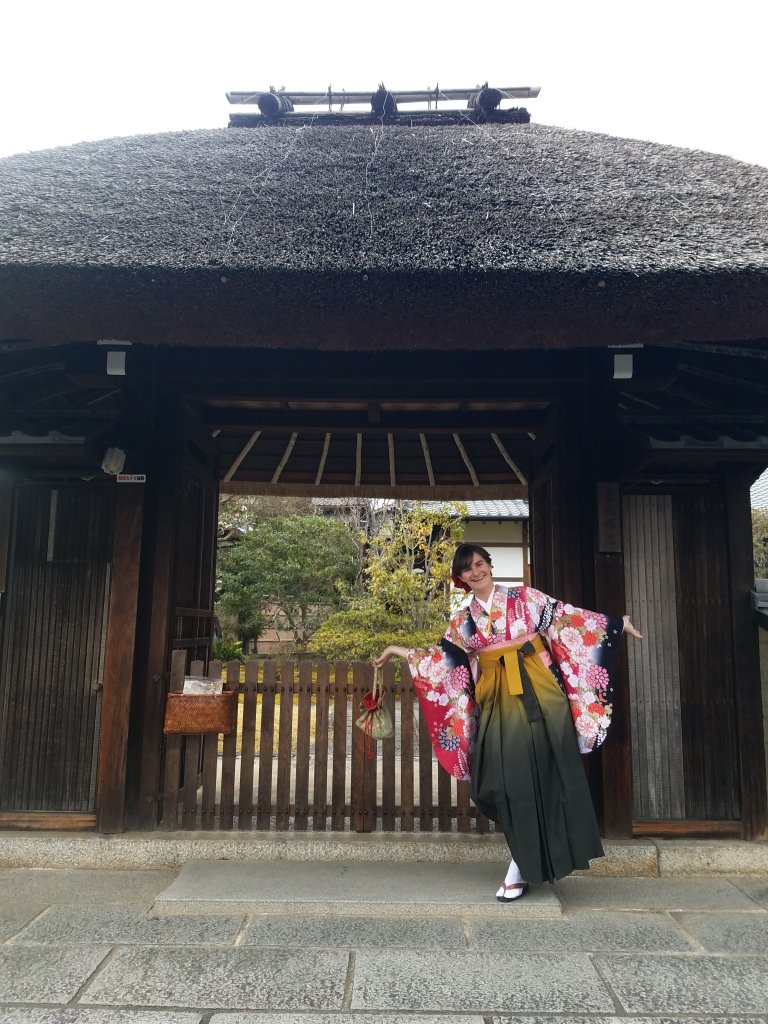
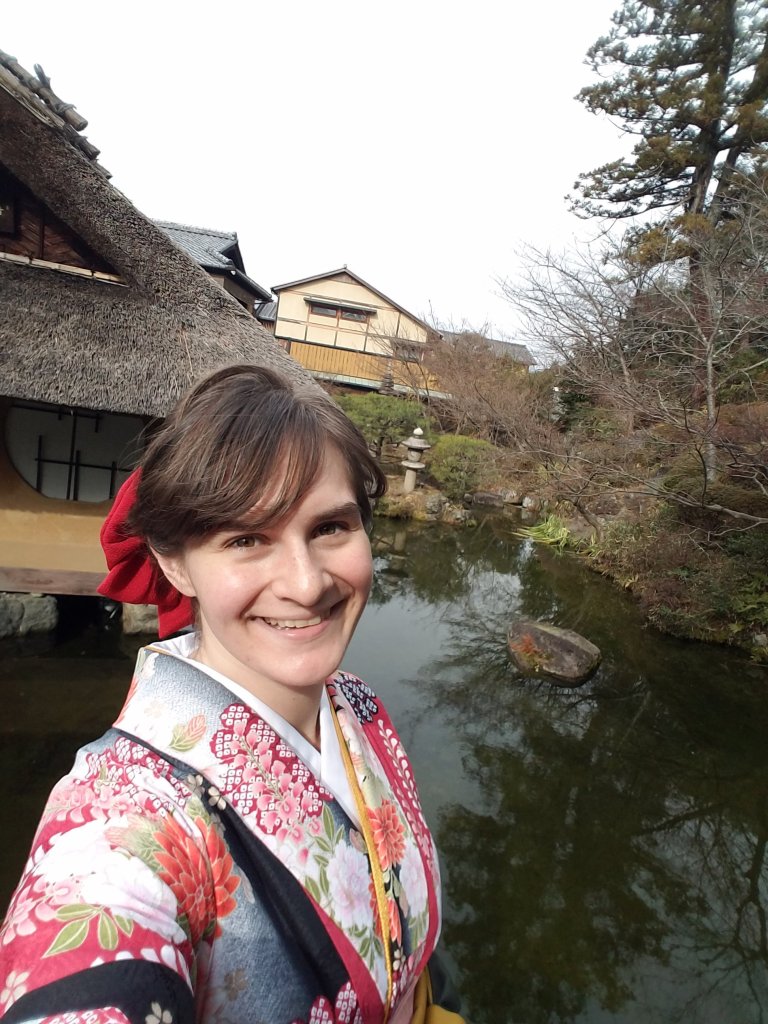
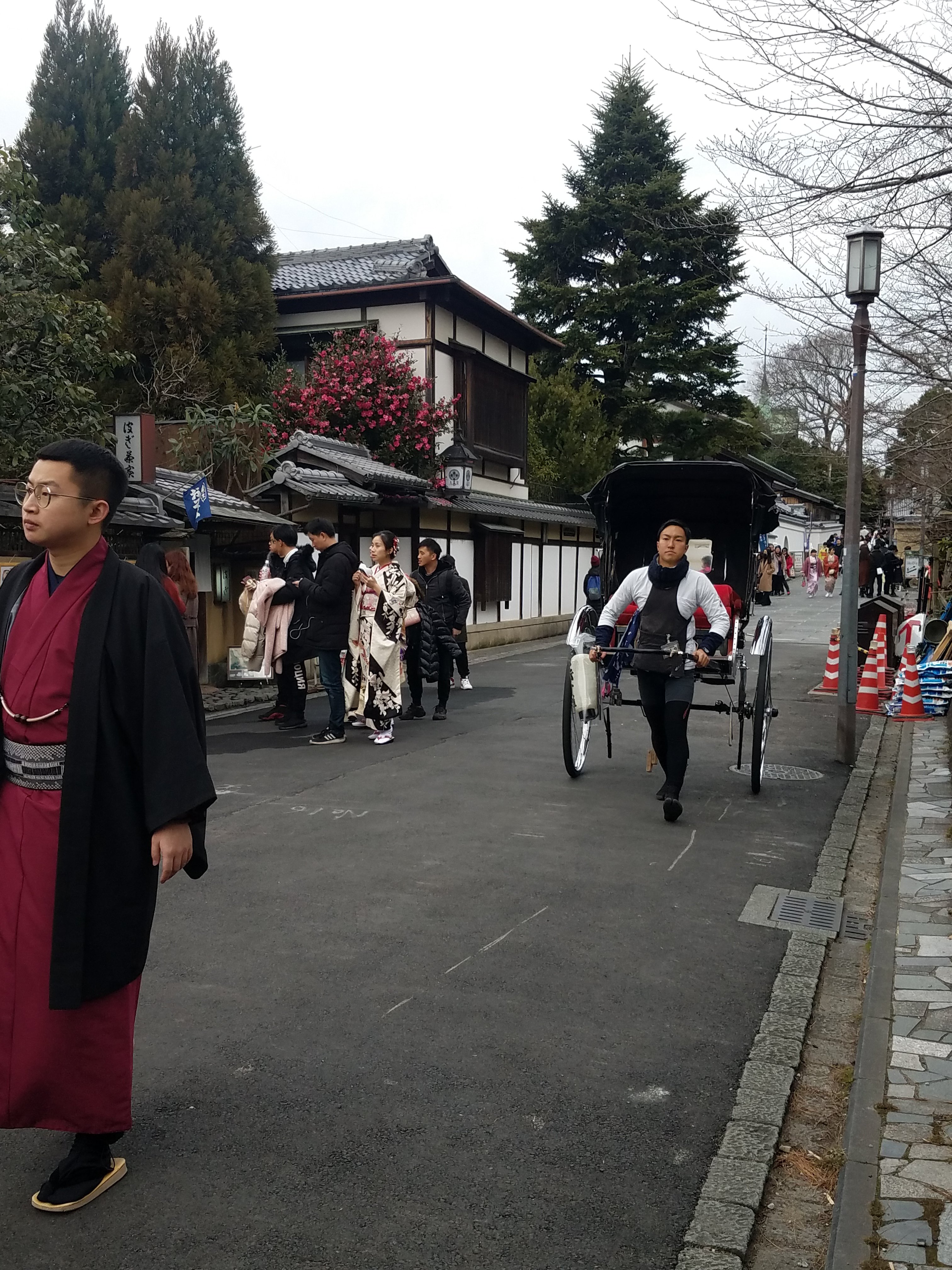
I certainly wasn’t the only person to rent a kimono to wander the historic district, but I was the only one who picked the hakama style.
Kimono typically come in three kinds: short sleeve (for married women, because long sleeves will obviously get in the way); long sleeves, or furisode, for young ladies, because long sleeves are flirty; and medium sleeves, called ko-furisode, which is what I’m wearing, which is typically paired with the lower skirt or hakama (and much more historically accurate for ye olde casual pedestrian!)
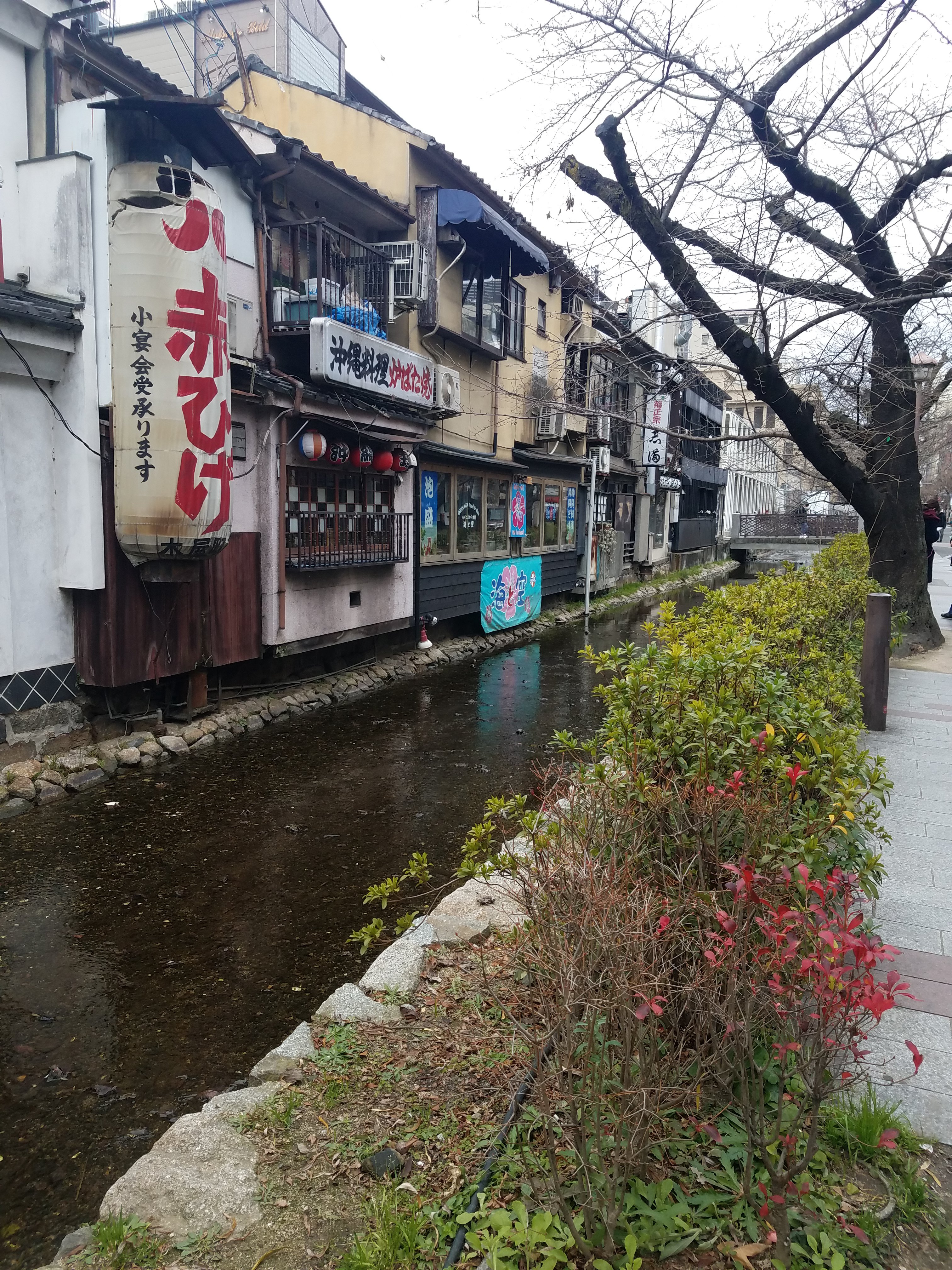
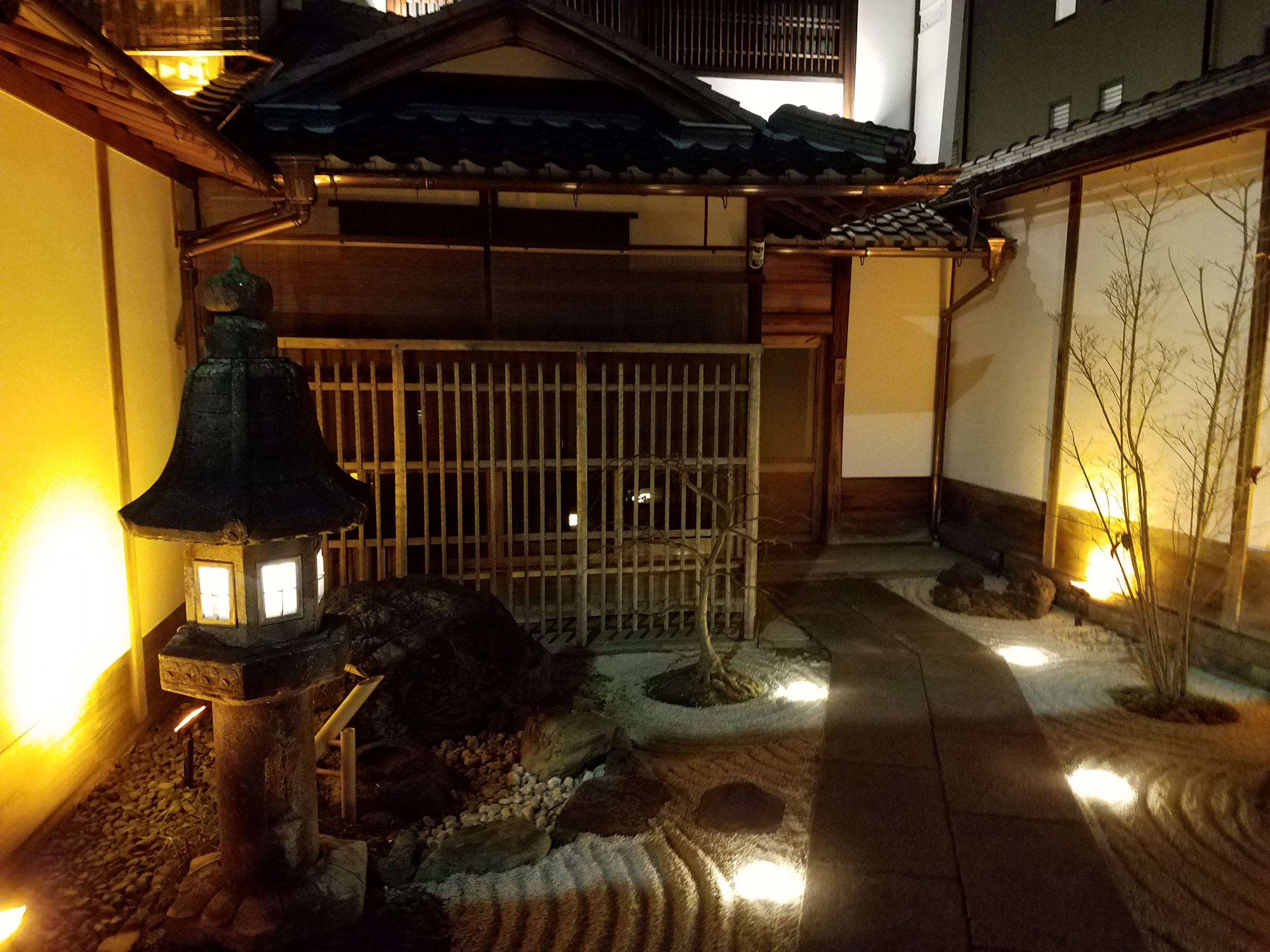
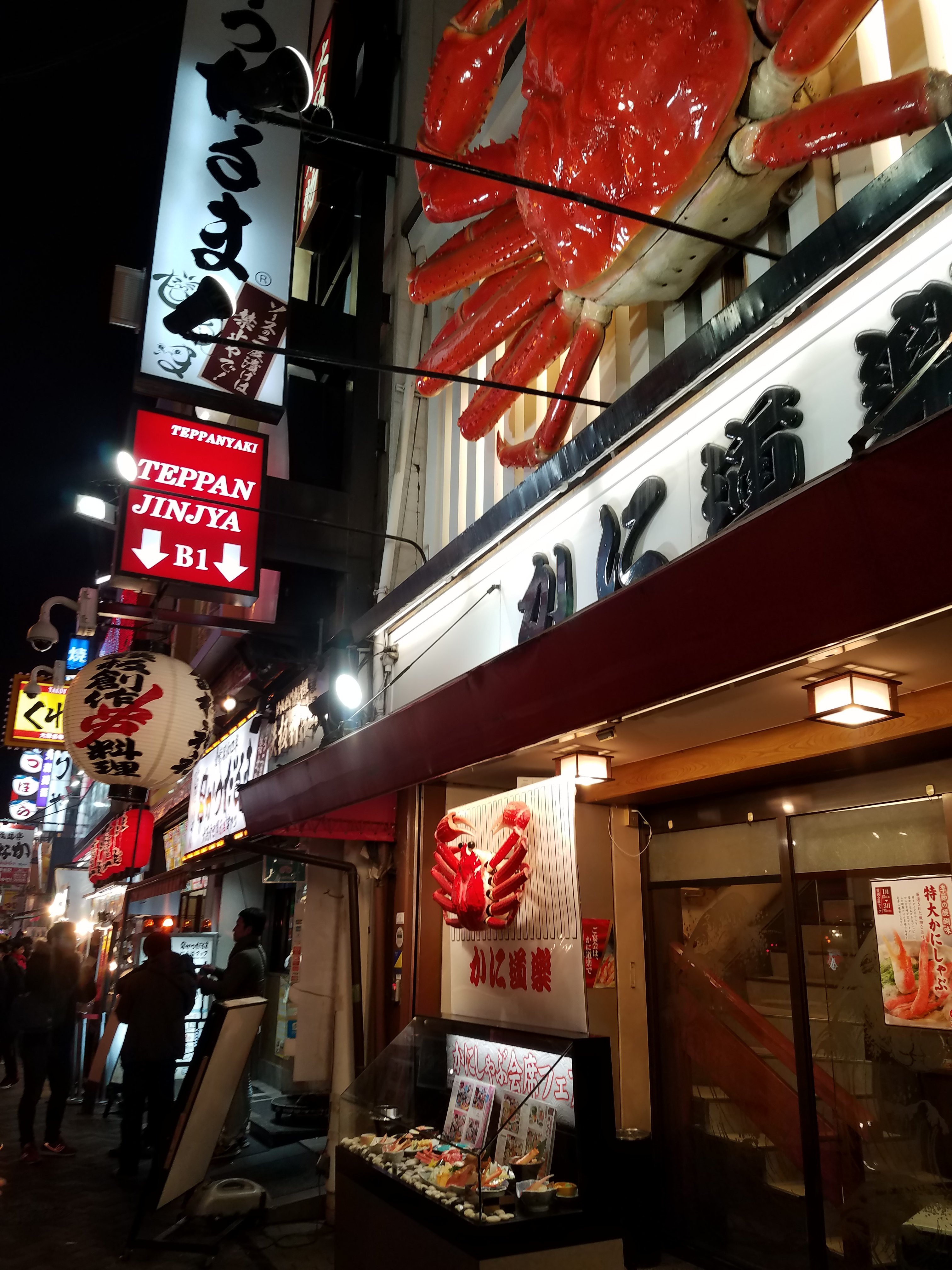
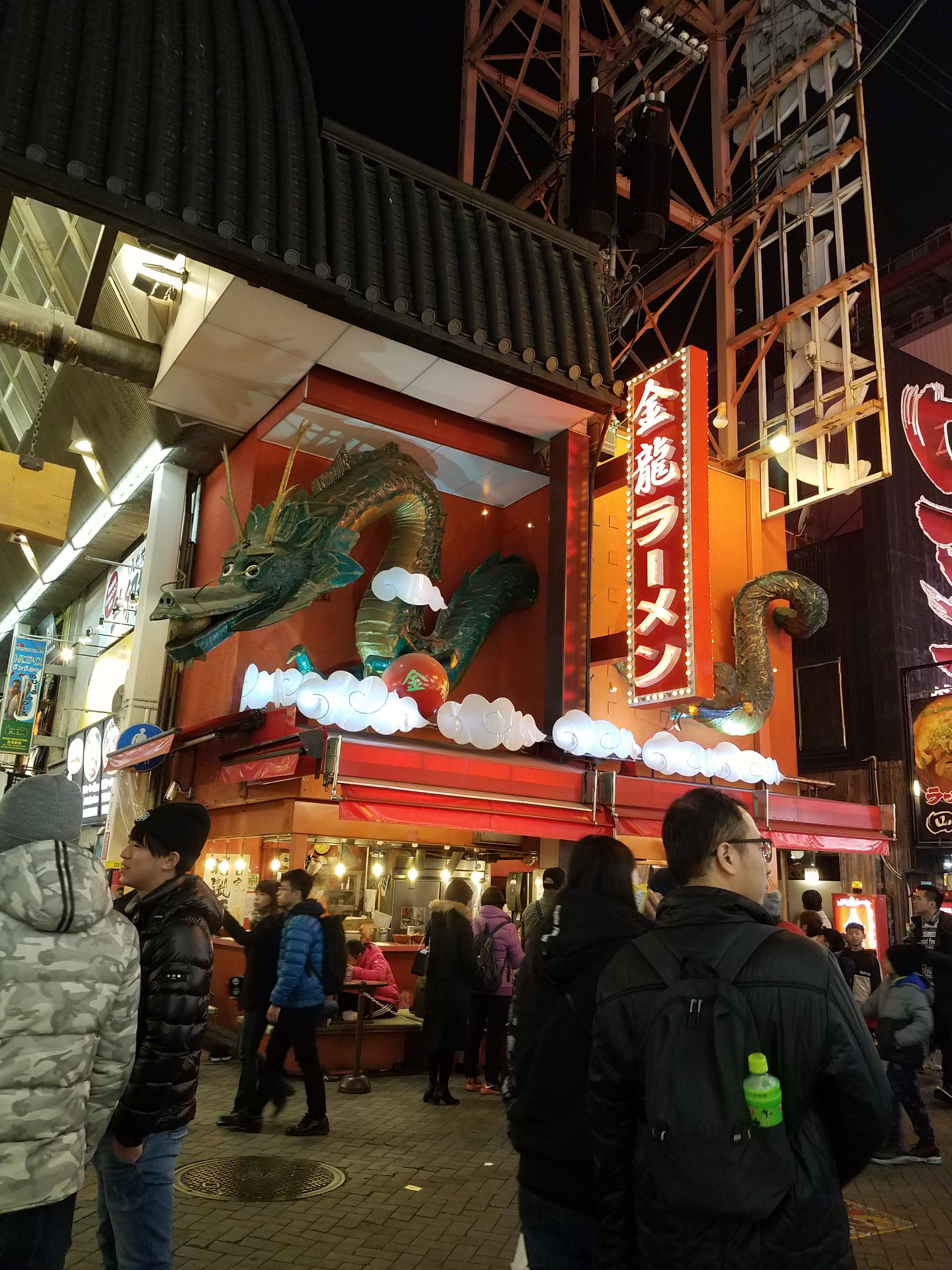
I wrapped up in Kyoto in time to catch up with my coworker for dinner in Osaka, a city about an hour away from Kyoto. They’re really well known for their restaurant district, as well as their castle!
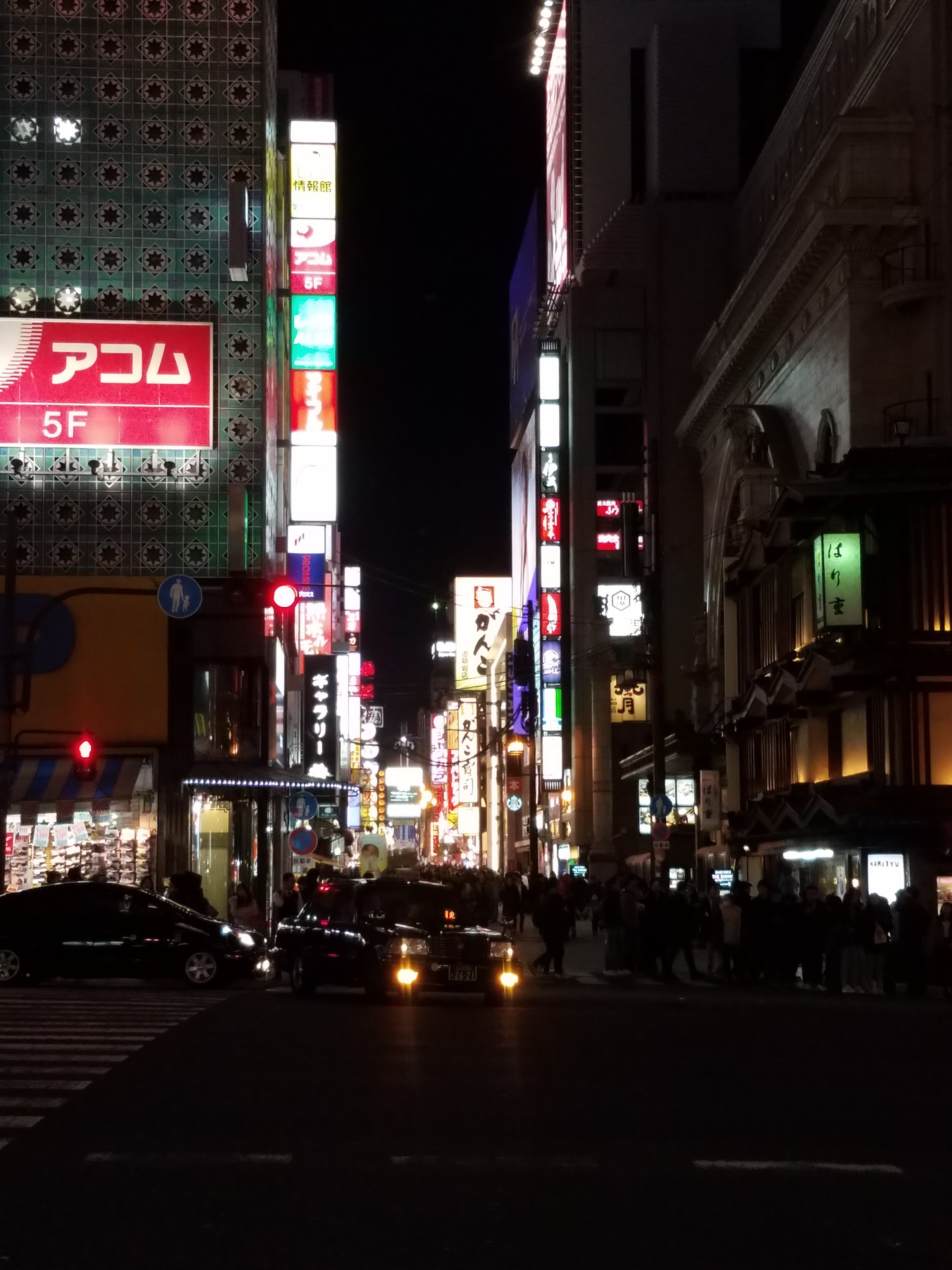
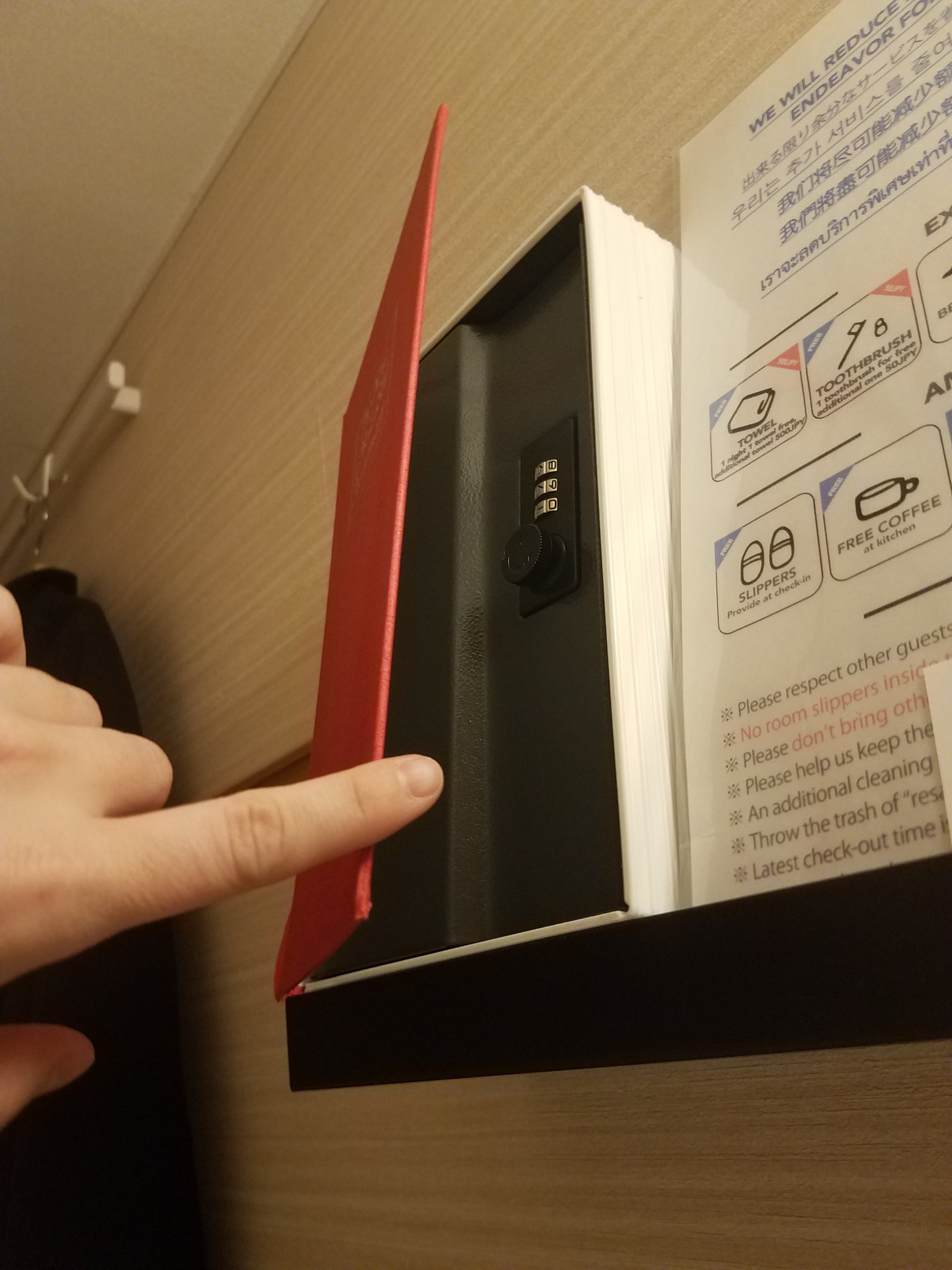
And after a very cozy night’s sleep and a real (read: no dessert) breakfast, it was back to history adventures!
Yep. You’ve already heard about ninjas, and now you get to learn about samurai! Don’t worry, I’ll keep it brief.
Osaka Castle was built by Toyotomi Hideyoshi. He isn’t too important to this story, other than that he had a really cool, impregnable castle, and lots of friends.
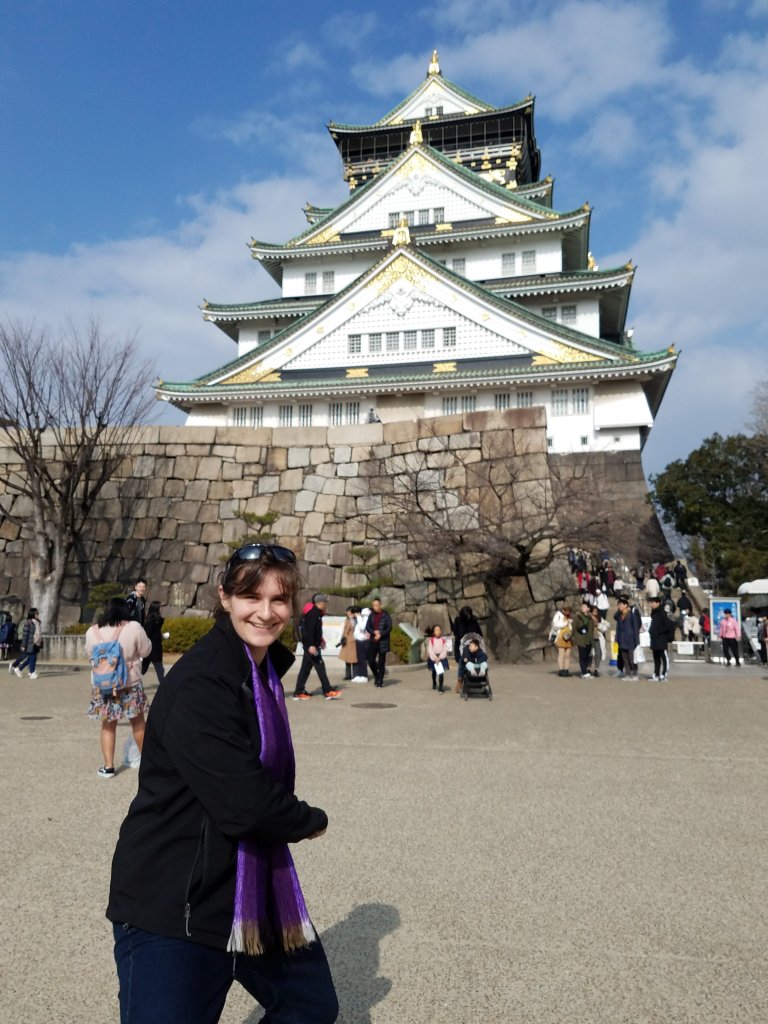
However, Tokugawa Ieyasu, the guy who founded the shogunate, had significantly more friends (think twice as many), and no castle.
So, like any aspiring ruler, he laid siege to Osaka Castle to prove himself worthy of respect (and also because he wanted a castle!). The siege lasted from October until December, when Tokugawa finally gave up. He passive-aggressively filled in part of the moat in a fit of pique, but was sufficiently placated such that he signed a peace treaty and went home to Kyoto.
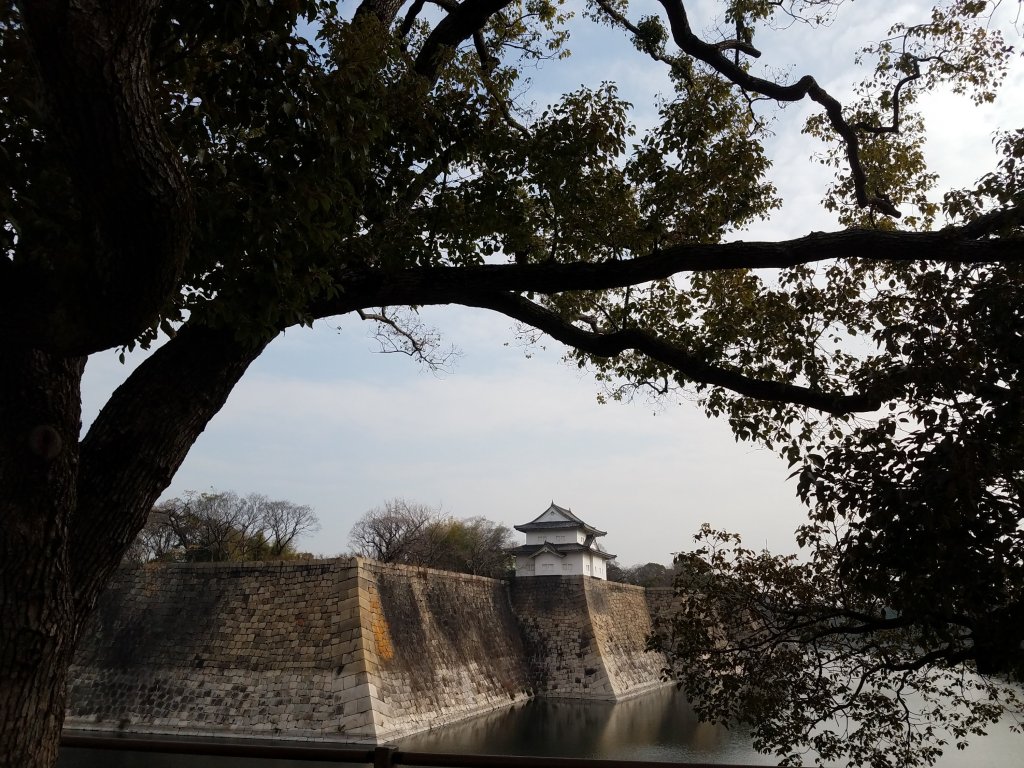
The peace lasted about six months, maybe less, before Toyotomi decided he wanted his moat back. It is a nice moat, so I can’t really blame him. Look at those walls!
He started digging out all of the dirt early that summer. But of course, his local Samurai HOA didn’t approve, and Tokugawa came back (with a vengeance!)
Eventually, Toyotomi ran out of troops. Tokugawa seized the castle in 1614, cementing his leadership and ushering in the Edo period.
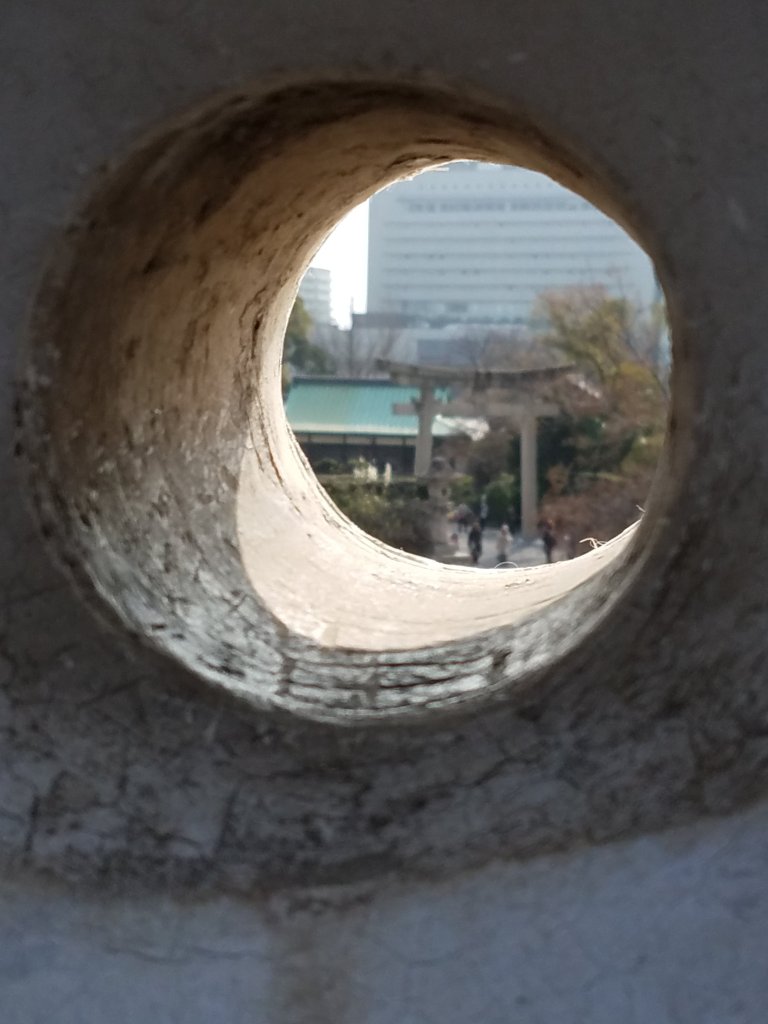
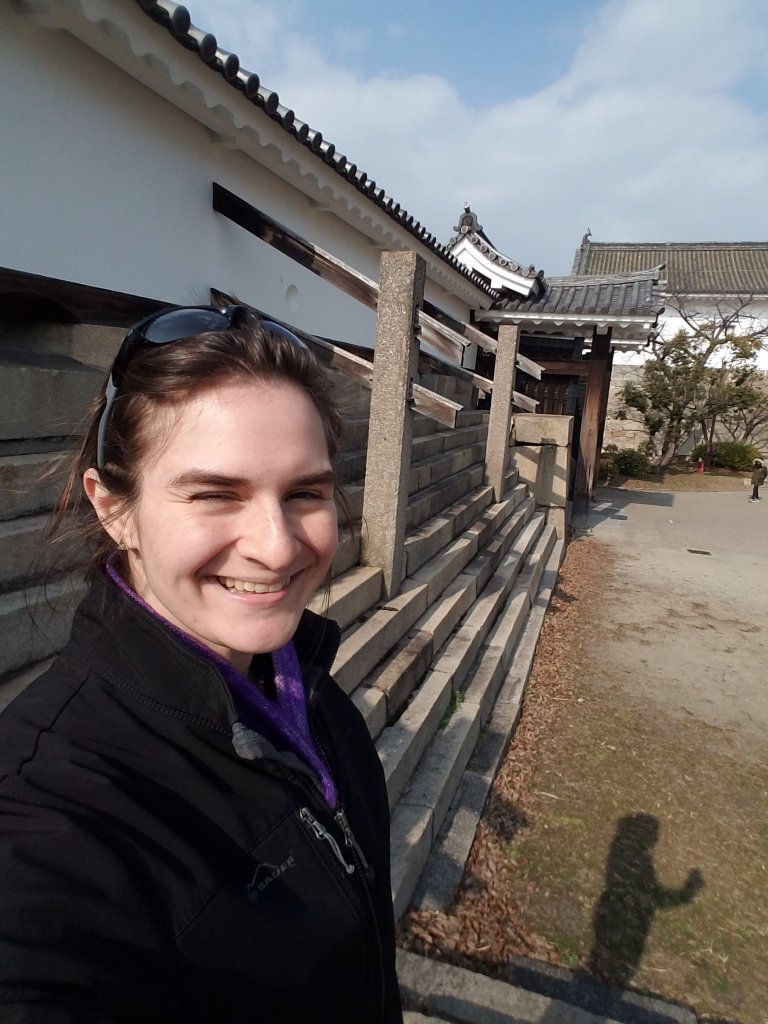
I had one more stop to make before I caught my bus back to Tokyo!
A travel fairy told me that Sonobe, the childhood prefecture of Miyamoto Shigeru (aka that guy who made all the best Nintendo games, like LoZ, Mario, Donkey Kong, etc…) was just outside Kyoto. A lot of his inspiration came from exploring Sonobe as a child, so I wanted to check it out!
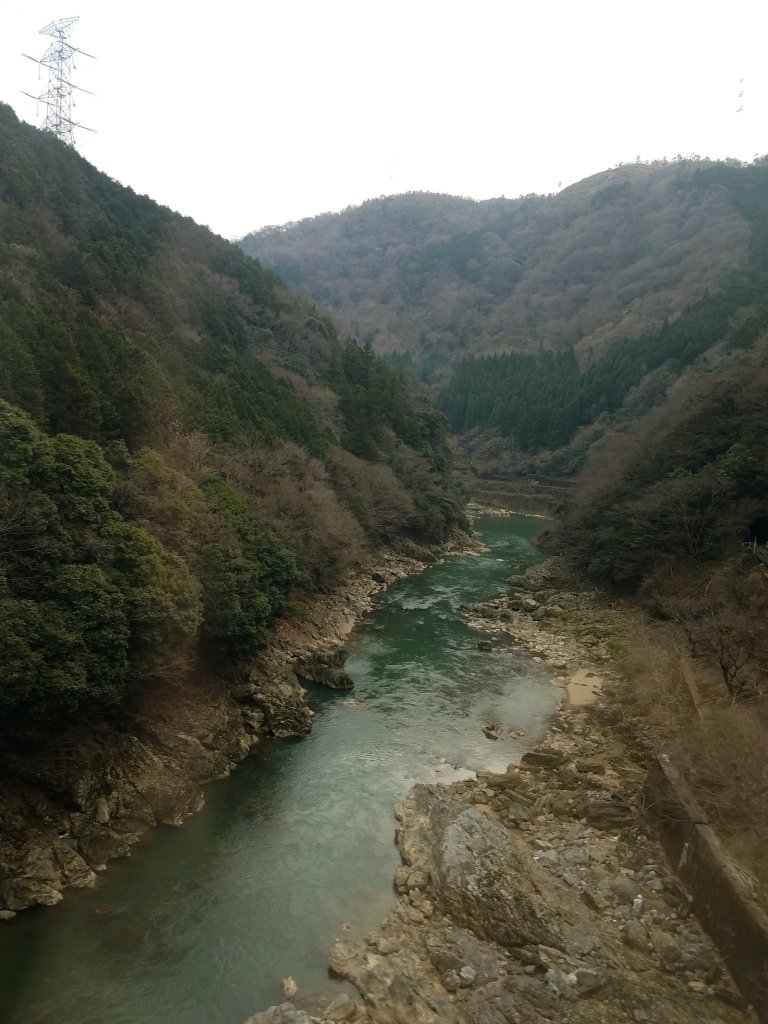
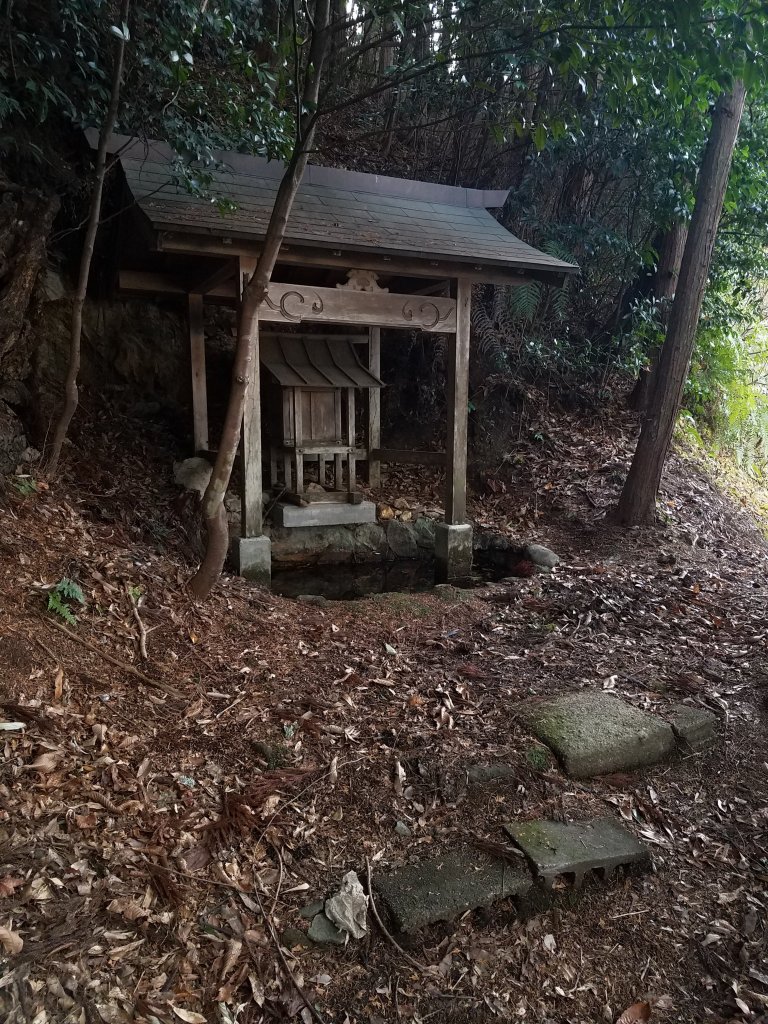
I was pleasantly surprised to see that it’s not even on the radar as far as the Japanese Tourism Board is concerned. It was nice to get out of the city and wander around abandoned shrines and local streets without a crush of people and cars.
It’s a little unfair of them to taunt me with these stairs going straight up the mountain side, but have them closed off for the winter.
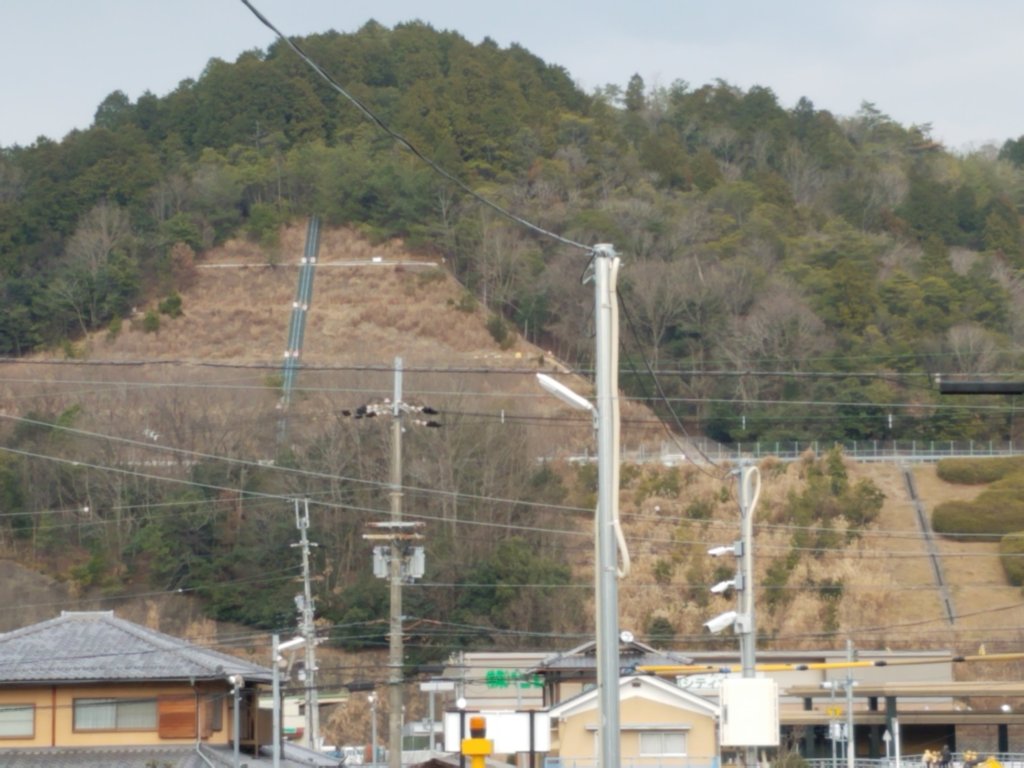
I think there a several places I’d really enjoy another visit to in the warmer seasons, when the outdoor trails are more accessible. (Sonobe is one of them!)
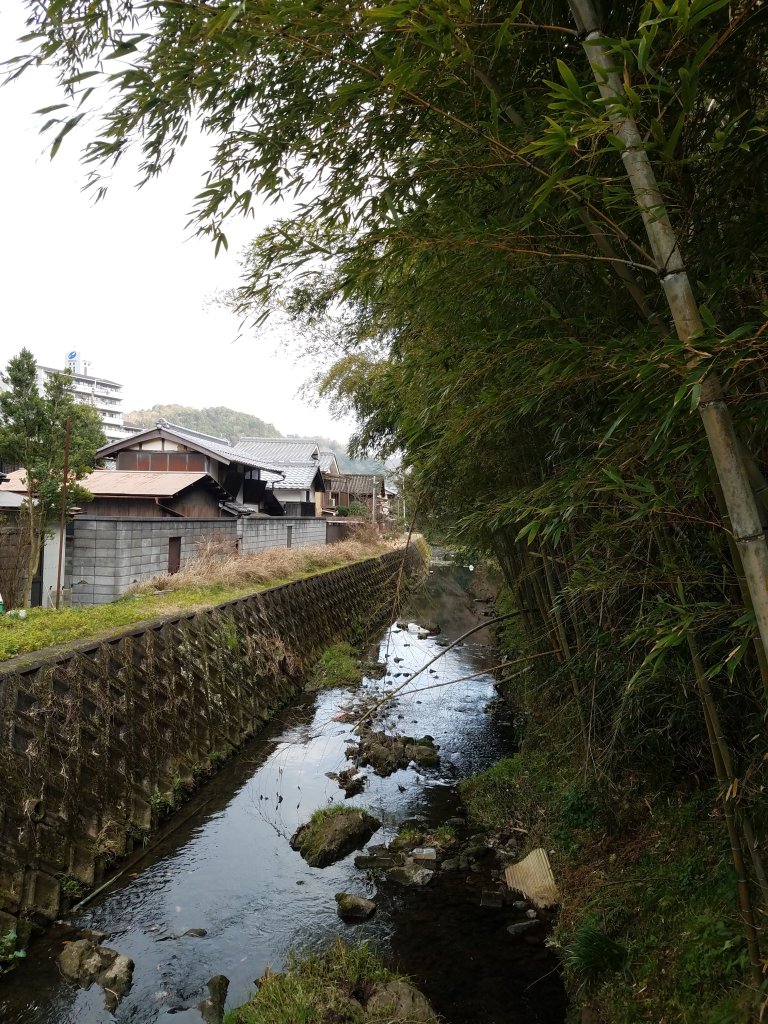
I said a reluctant goodbye to Sonobe and the Kansai region, and caught the late night bus back to Tokyo.
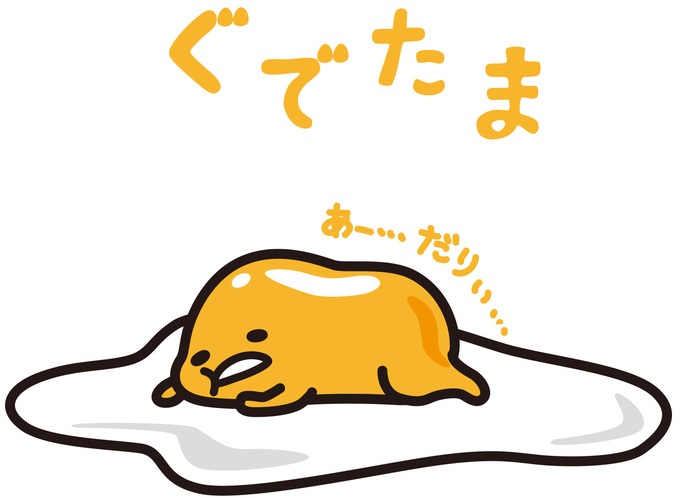
This is an accurate depiction of me, dragging my (not) sorry butt off the bus and back into work at five o’clock this morning:
 myTia
myTia 